Introduction
Effective music learning is more than just notes on a page or sounds in the air. It’s something we feel deeply, something that connects us to ourselves and to others. Whether you’re humming a tune in the shower or learning to play an instrument, music has a way of becoming a part of who we are. Behind every moving performance lies hours of practice, learning, and patience. If you’re a beginner, returning to music after a break, or simply looking to sharpen your skills, there are ways to make your learning journey more effective, enjoyable, and lasting. To truly grow as a musician or vocalist, it’s important to follow these strategies that enhance both your technique and expression.
Contents
ToggleSet Clear and Achievable Goals

To start your effective music learning journey, set clear and achievable goals. Define what you want to accomplish, whether it’s mastering a specific song or improving a particular technique. Break larger goals into smaller, time-bound tasks to make them more manageable. Remember to regularly reassess and update your goals as you progress.
Practice Consistently
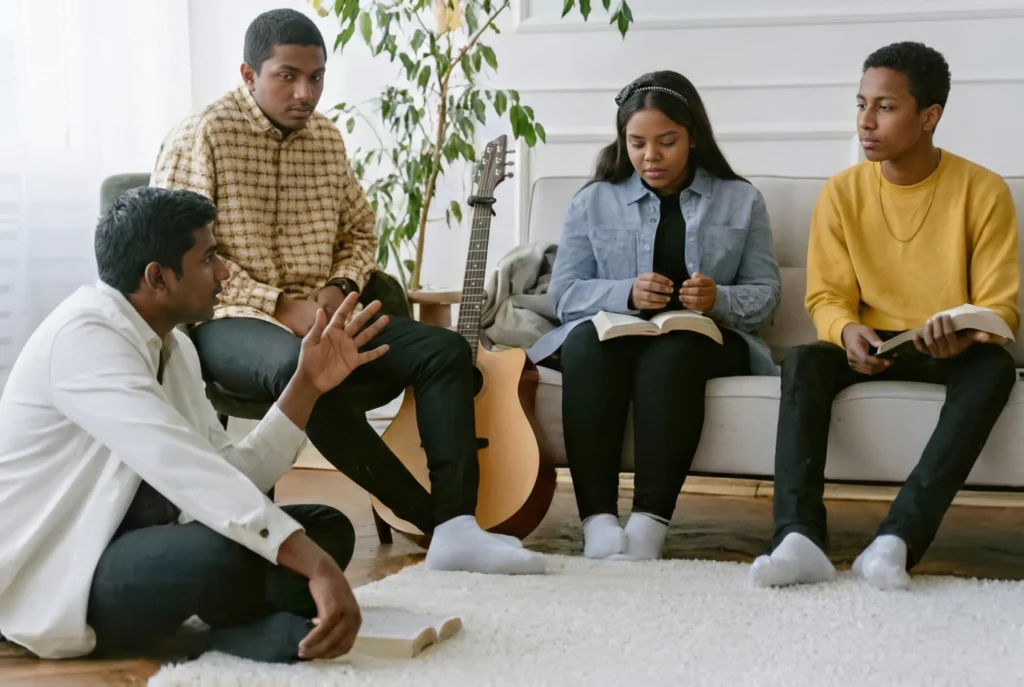
Consistency is key to effective music learning. Instead of practicing for long, infrequent sessions, aim for shorter, daily practice sessions. Just 30-45 minutes a day can yield great results. Remember, practice is not just about repetition; it’s about the art of refinement and steady improvement.
Understand the Music Before Playing

Before you play a single note, take the time to understand the music. Study the time signature, key, dynamics, and phrasing. A great way to do this is to mentally read through the piece or rhythmically tap it out. Understanding the context of the music will enhance both your expression and accuracy
Warm Up Every Time
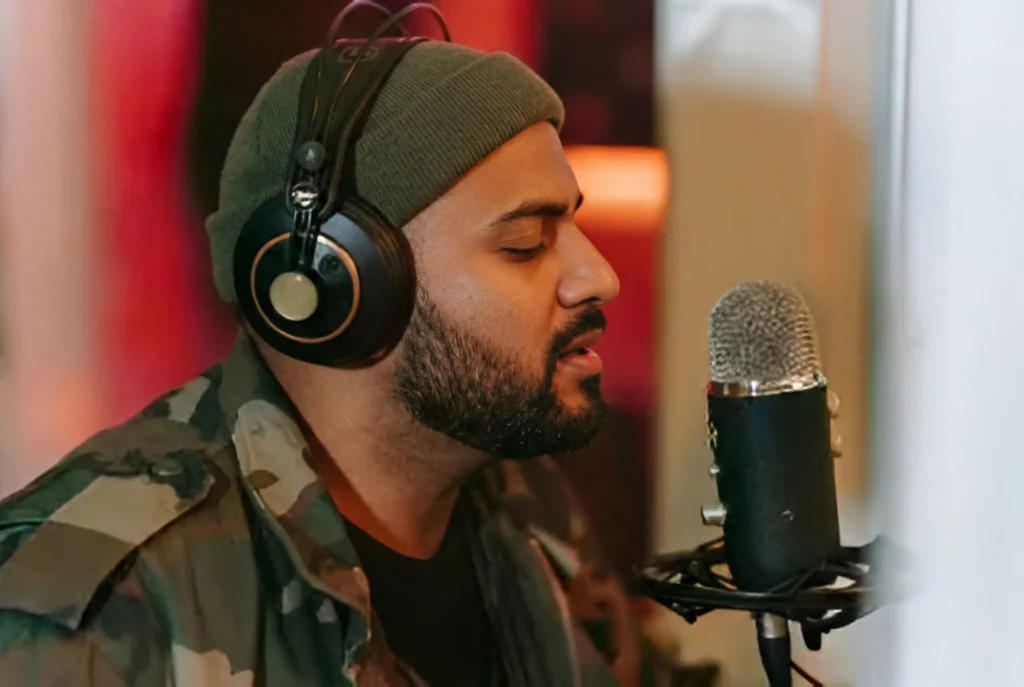
Just as an athlete warms up before a game, you should always warm up before a music session. For singers, start with gentle humming, lip trills, or scales to prepare your vocal cords. Don’t skip this step, even for short sessions, as a 5-10 minute warm-up can prevent vocal fatigue and injury.
Focus on Breath Control

Breath is the foundation of a strong voice. Practice deep, diaphragmatic breathing, focusing on breathing from your belly, not your chest. Try breathing exercises like inhaling for four counts, holding for four, and exhaling for six. Controlled breath is crucial for improving vocal power, tone, and phrasing.
Record and Review Yourself
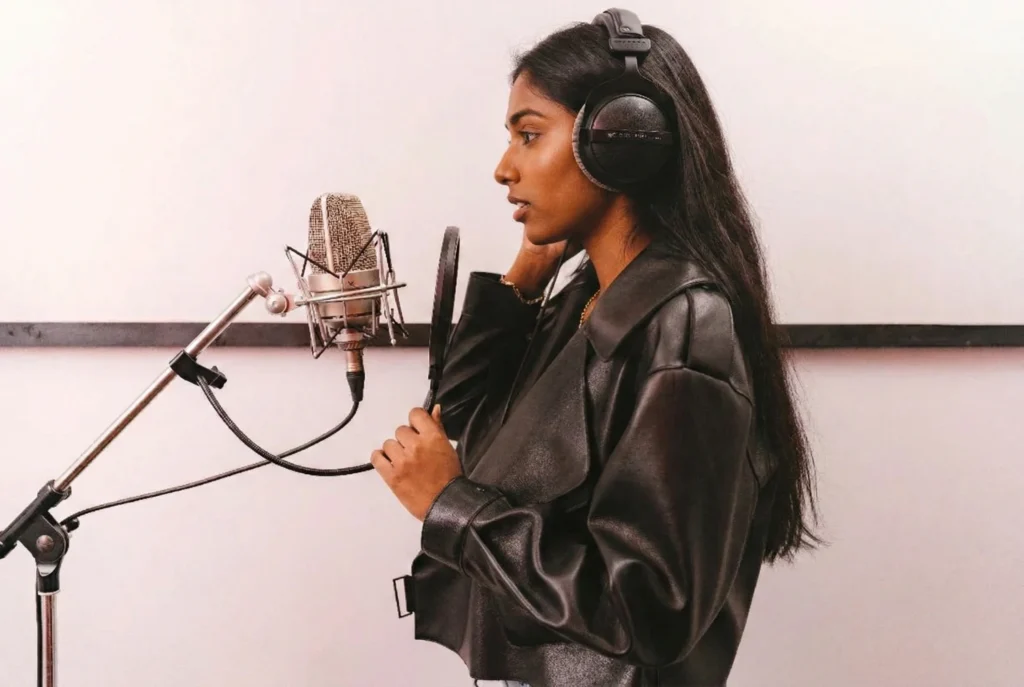
One of the most effective ways to improve is to record your practice sessions and listen back with a critical ear. By doing so, you can identify areas for improvement in your timing, intonation, or dynamics. For reference, compare your recordings to professional versions to help guide your progress.
Learn and Apply Music Theory

Don’t be intimidated by music theory. Understanding concepts like scales, intervals, and chord progressions is essential. Knowing theory helps improve your improvisation and sight-reading skills and allows you to recognize patterns within music much faster.
Train Your Ear

Effective music learning requires a trained ear. Listen carefully to the pitch, tone, and dynamics in the songs you love. You can also practice matching notes on a piano or with an app and sing scales or intervals to build pitch accuracy and harmony skills.
Be Patient and Stay Positive
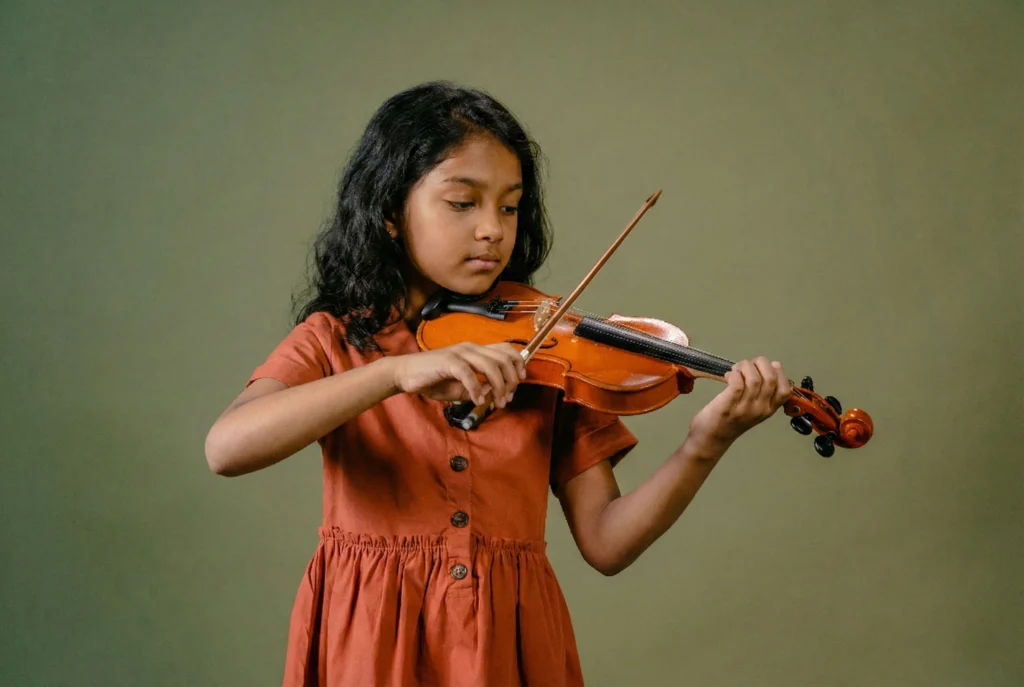
Progress is not always linear, so don’t get discouraged by slow improvement or mistakes. Celebrate small victories along the way and enjoy the process. Instead of saying, “I can’t,” reframe your thoughts to “I’m learning to…”. This positive mindset is a crucial aspect of effective music learning.
Seek Guidance and Feedback
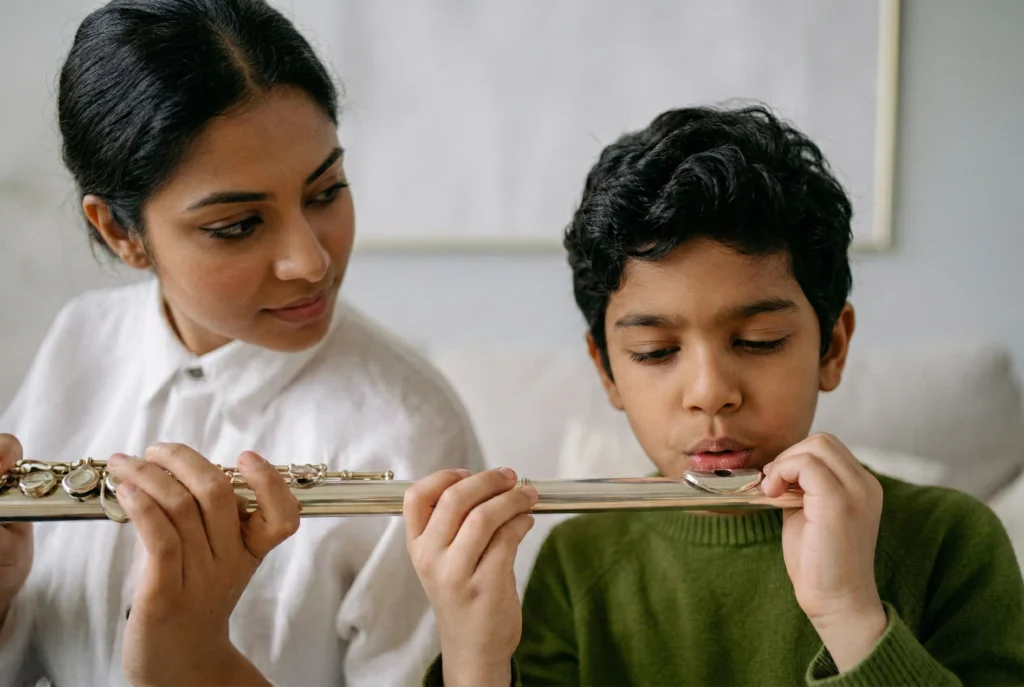
To truly accelerate your learning, seek guidance. If possible, take lessons from a qualified teacher. You can also ask for feedback from peers, join an ensemble, or find support in online communities and forums.
Interested in taking your music skills to the next level? Our music learning courses are designed to help you achieve your goals. Visit our courses page to learn more!
Conclusion
Music learning is both a science and an art. By following these tips, you’ll not only improve your skills but also deepen your love for music. Remember, progress in music isn’t about perfection; it’s about the connection you have with your instrument and yourself. Stay curious, be patient, and most importantly, enjoy every note of your journey. Effective music learning is a marathon, not a sprint.