The Song
Vaathaapi Ganapathim Bhaje is perhaps one of the most familiar and widely rendered compositions in Carnatic music. It is often among the first major compositions that a student learns and one of the most popular opening pieces in a concert.
Contents
ToggleBut familiarity can sometimes make us overlook its depth.
This composition is much more than an invocation to Lord Ganesha. It brings together devotion, mythology, philosophy and musical sophistication in a remarkably beautiful manner.
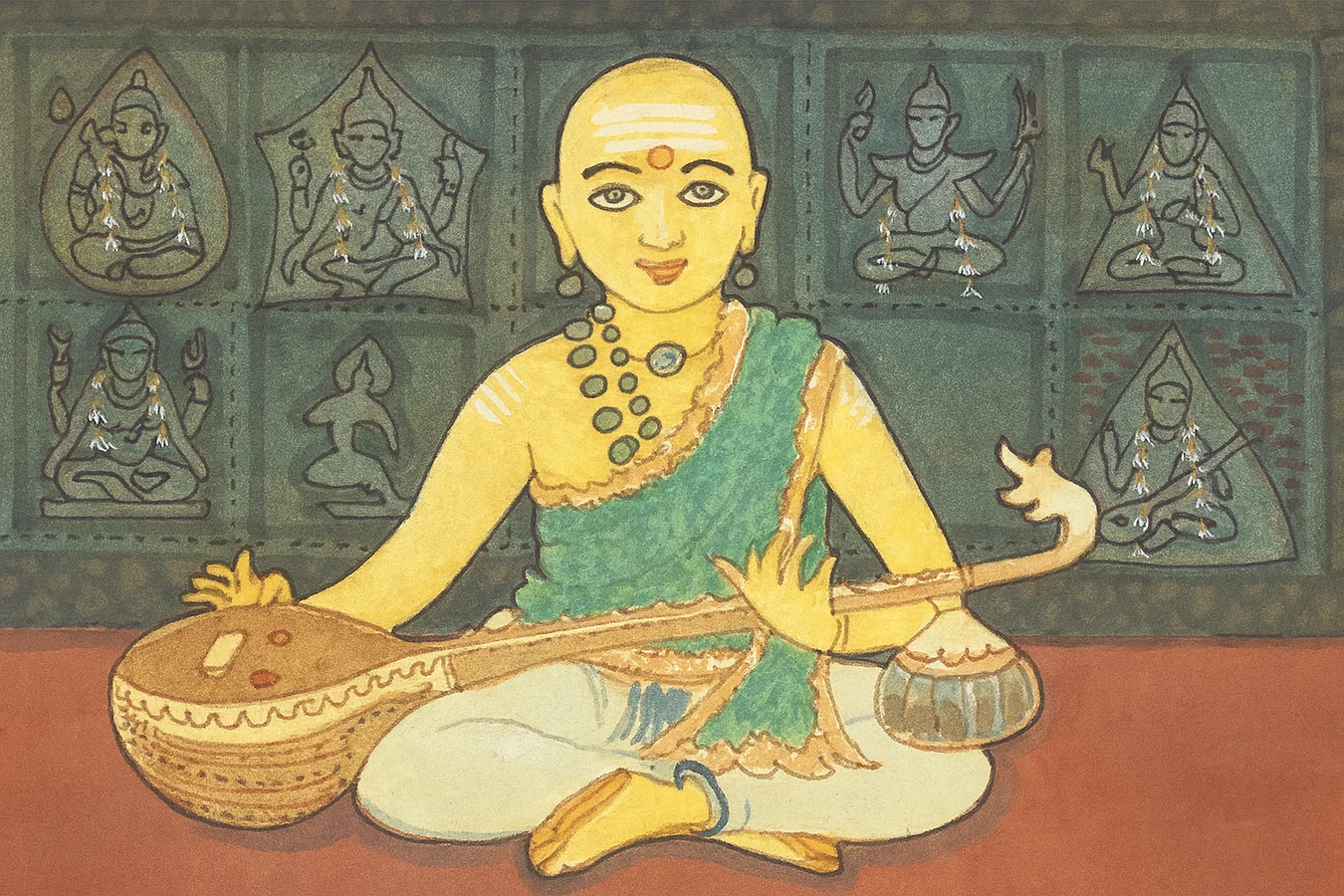
This is an iconic composition by Sri Muthuswami Dikshitar. He is one of the three great composers of Carnatic music, popularly known as the Musical Trinity, who received Lord Muruga’s blessings at Tiruttani temple and began his composing. This divine blessing is reflected in his works. Dikshitar was not merely a composer of beautiful melodies. He was a scholar who brought together his understanding of Sanskrit, scriptures, temple traditions, philosophy and music. His compositions often carry layers of meaning. The choice of words, the references to mythology, the description of the deity and even the musical structure are rarely incidental.
The Place
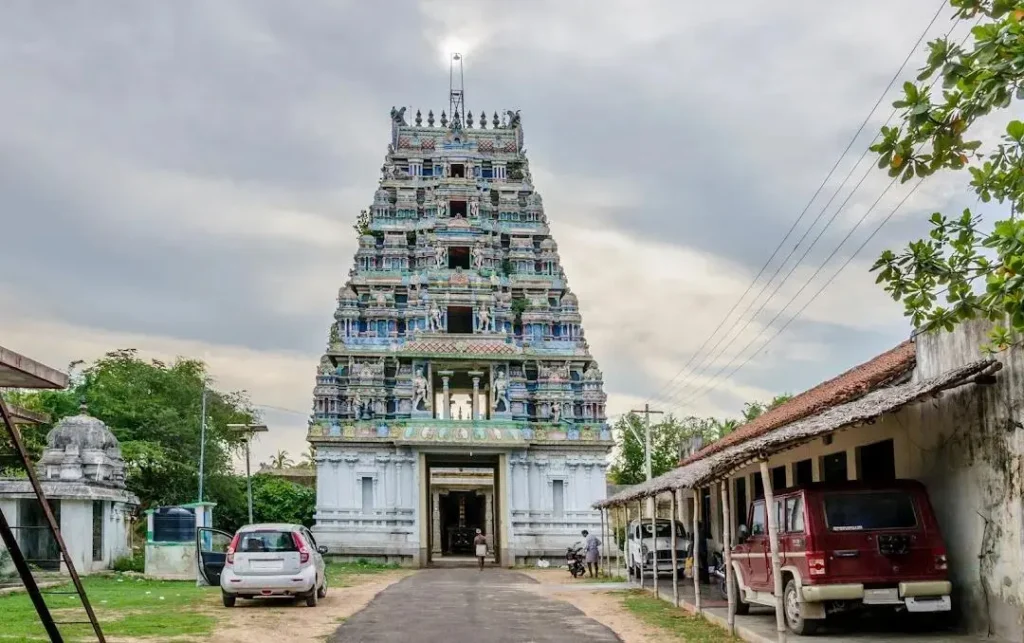
Dikshitar belonged to Tiruvarur in Tamil Nadu. The composition is associated with the famous Vatapi Ganapati. According to tradition, the idol was brought from Vatapi, present-day Badami in Karnataka, by the Pallava general Paranjothi. It is worshipped at Tiruchenkattankudi in the Tiruvarur district.
Tiruvarur has another special significance. It is traditionally regarded as the Mooladhara Kshetram. In a spiritual interpretation of India’s sacred geography, Tiruvarur is associated with the Mooladhara Chakra of Lord Shiva. In Yogic tradition, Lord Ganesha is the presiding deity of the Mooladhara Chakra.
The Cadence

The composition is set in Hamsadhwani Raga.
Notice the musical movement in the phrase Mooladhara Kshetra Sthitam. The ascending movement can be appreciated as a musical representation of the upward movement of Kundalini from the Mooladhara Chakra.
There is another interesting observation in the phrase Nirantaram Nitila Chandra Khandam. The descending musical movement in this phrase can be interpreted as reflecting the waning of the moon. The crescent is also associated with the story of the moon and the curse upon it.
The Narration
Dikshitar has a remarkable ability to convey an entire story or a profound philosophy in a few words.
Consider the phrase Paradi Chathvaari Vaagaatmakam. Yogic philosophy describes four stages of speech. They are Para, Pashyanti, Madhyama and Vaikhari. These represent the progression of speech from its subtle origin to its audible expression. Dikshitar captures all four in a single phrase. He describes Lord Ganesha as the embodiment of these four forms of speech.

Another interesting phrase is Pura Kumbha Sambhava Munivara Prapoojitham. This refers to Sage Agastya. He is traditionally described as having been born from a pot. Dikshitar refers to Ganesha as the one worshipped by this great sage. Agastya is also connected with the traditional story of Vatapi and Ilvala, the two demons whom he vanquished. This provides another interesting link to the name Vatapi in the composition.
Understand. Appreciate. Sing.
A composition becomes even more meaningful when we understand the significance of its words and musical expressions.
At Soul of Music, we encourage students to go beyond learning the notes. Understanding the meaning and nuances of a composition helps them appreciate its beauty and elevate their singing with greater involvement.
Explore our course content here: Carnatic Vocals
